2000serving our community7 / 24round-the-clock supportAt every stepin accordance with Islam
ABOUT US
With sensitivity. With respect. By your side.
Since 2000, we have helped families arrange burial in England or repatriation to their loved one’s homeland. Our qualified, professional team carries out this sensitive responsibility with respect for the deceased and their family.
Suleymaniye Funeral Services was established to ease the burden on bereaved families, fulfil religious duties and complete official arrangements as promptly as possible. We provide funeral repatriation services internationally.
We arrange funeral repatriation to Turkiye, North Cyprus and Bulgaria, with our team handling religious, legal and official procedures.
A Muslim nearing death is laid on their right side facing the Qiblah. The declaration of faith is recited nearby, along with Surah Ya-Sin.
After death, the jaw is supported with a cloth tied over the head, the eyes are closed and the arms are placed at the sides. The original guidance describes placing a piece of iron on the abdomen to prevent swelling. The Qur’an is not recited beside the deceased until washing is complete; it may be recited in another room.
For washing, the deceased is laid on the washing table with the feet towards the Qiblah. Clothing is removed while keeping the private parts covered, and warm water is used. The washer wraps a cloth around their hand to clean the private parts without uncovering them.
Ablution is performed without putting water into the mouth or nose, unless the deceased was known to be in a state of major ritual impurity. Otherwise, the inside of the lips, nostrils and navel are wiped using a cloth wrapped around a finger.
The head and beard are washed with soapy water without combing the hair. The right side is washed while the deceased rests on the left, then the left side while resting on the right. The upper body is gently raised and supported, and the abdomen is stroked. Any discharge is cleaned away; ablution need not be repeated. The body is dried with a clean cloth and shrouded.
The shroud (kafan)
The kafan is the cloth in which a deceased Muslim is wrapped before burial.
For men, it consists of a qamis, izar and lifafah. For women, a head covering and a chest cloth are added. If there is insufficient cloth, the izar and lifafah suffice for men, with a head covering also used for women. If even these are unavailable, a single cloth may be used. White cotton is preferred.
How the deceased is shrouded
The qamis is a sleeveless, seamless garment covering the body from the neck to the feet. The izar covers from head to foot. The lifafah is wrapped around the entire body and tied at both ends. The left side is folded first, followed by the right, leaving the right side uppermost.
For women, the shroud has five layers, including a head covering and chest covering over the garment.
The Janazah prayer
The funeral prayer is a communal obligation (fard kifayah) offered as a supplication for a deceased Muslim.
The original guidance lists these conditions: the deceased must be Muslim; the body must have been washed and wrapped in a clean shroud; and it must be placed in front of the imam and congregation.
It also states that the whole body or most of it must be present. Where most of the body is missing, or only half without the head remains, the remains are wrapped in cloth and buried without washing or funeral prayer.
How the Janazah prayer is performed
The Janazah prayer consists of four takbirs while standing. There is no bowing or prostration.
The imam stands level with the chest of the deceased, with the congregation behind him. The congregation is told whether the deceased is male or female, and makes the intention to pray for Allah, supplicate for the deceased and follow the imam.
At the first takbir, the hands are raised to the ears and then folded below the navel. Subhanaka is recited with “wa jalla thana’uka”. The following takbirs are said without raising the hands; the imam says them aloud and the congregation quietly.
After the second takbir, Allahumma salli and Allahumma barik are recited. After the third, the funeral supplication is recited. Those who do not know it may recite the Qunut supplication or Al-Fatihah as a supplication. After the fourth takbir, both hands are lowered and the salams are given.
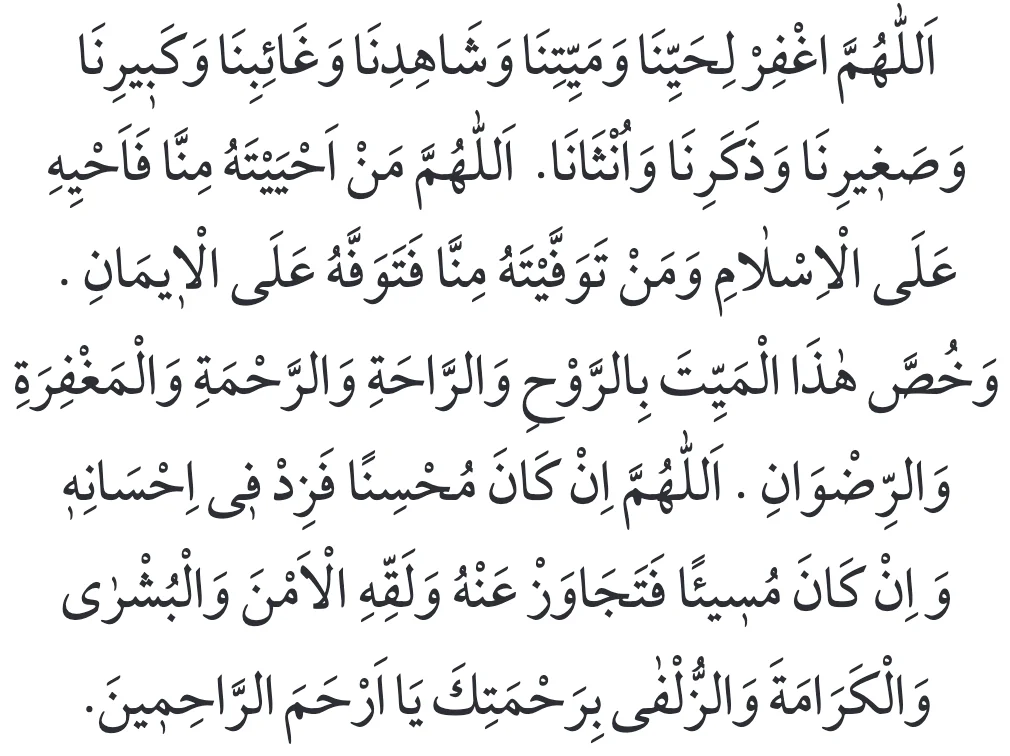
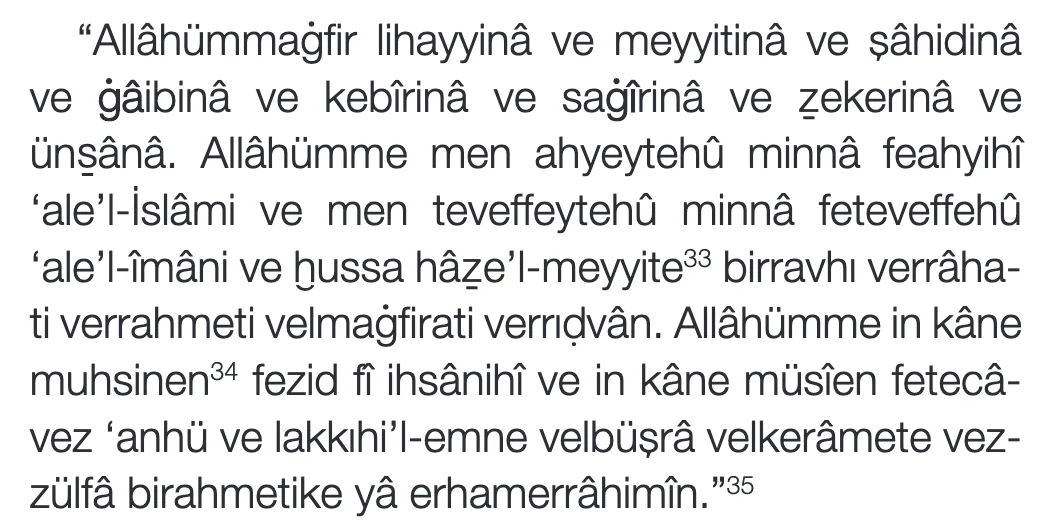
The funeral supplication is shown below. The Arabic prayer is retained in its original form.
For a boy, from “ala al-iman” the supplication continues: Allahummaj‘alhu lana faratan waj‘alhu lana ajran wa dhukhra. Allahummaj‘alhu lana shafi‘an wa mushaffa‘an. For a girl, the corresponding feminine forms are used: Allahummaj‘alha lana faratan waj‘alha lana ajran wa dhukhra. Allahummaj‘alha lana shafi‘atan wa mushaffa‘atan.
For a woman, “hadhihil-mayyitah” is used, and feminine forms are used in the supplication concerning good deeds, forgiveness and safety.
Meaning: O Allah, forgive our living and our dead, those present and absent, our young and old, our men and women. Let those You keep alive live upon Islam, and those You take die upon faith. Grant this deceased person ease, forgiveness and Your pleasure. Increase their good deeds, forgive their wrongs and grant them safety, glad tidings, honour and nearness through Your mercy.
Important reminders
After the fourth takbir, both hands should be lowered before giving the salams. The original guidance cautions against keeping both hands folded during the salams or lowering each hand separately with each salam. (Durrar, 1/53)
Do not raise the head whenever the imam says “Allahu Akbar” aloud.
If the place of prayer or shoes are not clean, remove the shoes and stand on them.
The grave and burial
After the funeral prayer, it is Sunnah to carry the bier by its four corners. The guidance describes carrying each corner for ten steps, in turn: the front and rear on the right shoulder, then the front and rear on the left. Walk promptly without shaking the bier. Loud remembrance while following it, and sitting before it is set down in the cemetery, are described as discouraged.
The grave should be at least half a person’s height deep and wide enough for the deceased; greater depth is preferable. Where the ground is firm, a side niche (lahd) is made on the Qiblah side. The deceased is lowered from that side, laid on their right side facing the Qiblah.
When placing the deceased, say “Bismillahi wa ala millati Rasulillah”. The ties at the head and feet are loosened. Bricks, boards or similar materials protect the body from direct contact with the soil. The grave is filled with its own soil and raised about a handspan in a rounded shape. The guidance permits writing on a marker so the grave is not lost.
Burial inside a house is described as discouraged and particular to prophets. Burial on land taken from its owner by force is not permissible.
Condolences are offered for three days; the guidance describes offering them after this period as discouraged. Recitation of the declaration of faith and the Qur’an may be dedicated to the deceased. Charity, good deeds and assistance to those in need may also be offered on their behalf.
Questions in the grave
The guidance describes two angels questioning the deceased about their Lord, religion, prophet and book. Allah grants believers who have faith, obedience and good deeds the ability to answer. Those who answer are given glad tidings of Paradise, and their grave becomes a garden of Paradise.
It describes those who cannot answer as facing distress, with the grave becoming a pit of Hell.
Who is your Lord? — Allah, the Most High. What is your religion? — Islam. Who is your prophet? — Muhammad, peace be upon him. What is your book? — The Noble Qur’an. Where is your Qiblah? — The Holy Ka‘bah.
Visiting graves
The guidance describes visiting graves as recommended for men and women. Al-Fatihah once and Al-Ikhlas eleven times are recited and dedicated to the deceased. Reciting Ya-Sin and At-Takathur is also recommended.
It cautions against sitting on graves without reciting, sleeping on them or soiling them. If stepping on graves is unavoidable, Al-Fatihah once and Al-Ikhlas eleven times may first be recited and dedicated to those buried there.
Pulling up living grass and cutting trees on graves is described as discouraged. Dry vegetation may be removed, although leaving it is preferred. In particular, the guidance cautions against taking it home to burn.
A GLIMPSE OF SULEYMANIYE
At the heart of our service, care and attention.
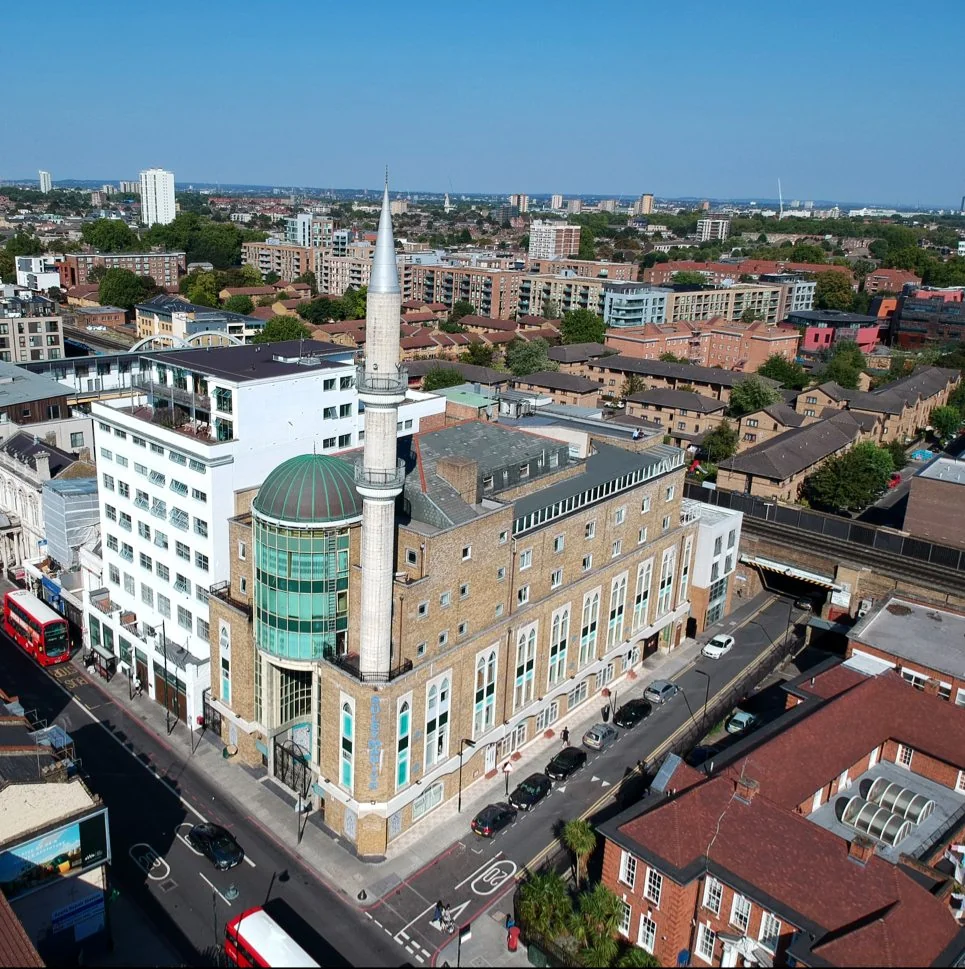
Photographs of our mosque and facilities. Tap a photograph to enlarge it.
SURAH AR-RAHMAN / VERSE 26
“Everyone upon the earth will perish.”
GOOGLE YORUMLARI
Ailelerimizin paylaştıkları.
Hizmet verdiğimiz ailelerin deneyimlerini kendi sözleriyle okuyun.
Genel olarak Süleymaniye Cenaze Hizmetleri’nin baştan sona sunduğu hizmet iyiydi. Cenazemiz Türkiye’ye gönderilmeden önce cuma günü kılınan cenaze namazı da çok güzel gerçekleştirildi. Hizmetlerini geliştirmelerine yardımcı olmak için bazı görüşlerimi kendilerine doğrudan ilettim. Bunlar özellikle Türkiye’de çalıştıkları lojistik firması, iletişim ve cenaze vardığında nelerle karşılaşılacağı konusunda beklentilerin açıkça anlatılmasıyla ilgiliydi. Zor bir dönemde verdikleri destek için minnettarız. İçinizin rahat etmesi için kendilerini tercih etmenizi tavsiye ederim.
Overall, the end to end service provided by Suleymaniye Funeral Services was good, and the Friday funeral prayer was conducted very well before the coffin heading to Turkey. I shared a few points directly with them to help improve their service, mainly regarding the logistic company they have used in Turkey, all well as communication and setting clear expectations about what to anticipate when the body arrives. We are grateful for their support during a difficult time and would recommend choosing them for peace of mind.
Süleymaniye’den benimle ilgilenen kişi, eski partnerimin vefatıyla ilgili yardımcı olmak için elinden gelenin de ötesini yaptı. Gerekli belgeleri almak için Güney Londra’ya kadar geldi ve sürecin tamamını ayrıntılı biçimde anlattı.
The guy from suleymanie went above and beyond to help me . regarding the passing of my x partner he even came over to south london to pick up the revelant documents .and he explained the process in full
Babamızı kaybettiğimizde gösterdikleri tüm yardım ve destek için Süleymaniye İslami Cenaze Hizmetleri’ne çok teşekkür ederiz. Yurt dışında defnedilmek üzere nakli de dahil olmak üzere her şeyi büyük bir özen ve profesyonellikle yürüttüler. Tüm işlemlerin üstlenilmesi sayesinde yasımızı yaşayabildik ve ailemizle birlikte olabildik. Bizim için yaptıkları her şeyden dolayı çok minnettarız; hizmetlerini gönül rahatlığıyla tavsiye ederiz.
A big thank you to Suleymaniye Islamic Funeral Services for all their help and support when we lost my dad. They handled everything with such care and professionalism, including repatriating him for burial abroad. Having everything taken care of meant that we could focus on our loss and be with our family. We’re extremely grateful for everything they did for us and would highly recommend their services.
Harikaydılar. Ne yapacağımı ve neler olduğunu hiç bilmiyordum. Her şeyi hallettiler, beni her aşamada adım adım bilgilendirdiler. Cenaze töreni de çok güzeldi. Kesinlikle tavsiye ederim.
They were amazing i had no idea what i was doing or what was going on and they sorted everything out letting me no step by step and the funeral itself was amazing I highly recommend them
Fethullah Bey ve ekibi, babamızın cenazesinde bize çok büyük destek oldu.
İlk kez bir Türk ve İslami cenaze süreci yaşıyorduk. Ekip başından itibaren anlayışlı, destekleyici ve iletişim konusunda çok duyarlıydı. Süreç ve seçenekler hakkında her aşamada bize yol gösterdiler.
Defin sırasında da çok güzel destek verdiler. Burhan Hoca tabutla birlikte yolculuk etti ve Türk, İngiliz, dindar ya da dindar olmayan farklı kesimlerden katılımcılar için duygulandırıcı bir merasim gerçekleştirdi.
Gönül rahatlığıyla tavsiye ederim.
Mustafa
Mr Fettulah and the team were fantastic support for our dad’s funeral.
This was the first Turkish / Islamic funeral we had and the team were sympathetic, supportive and very responsive from the start. They guided us through the process and the options throughout.
Support at the burial was brilliant. Imam Burhan travelled with the coffin and gave a touching ceremony for the diverse guests - Turkish, British, religious and non-religious.
I would thoroughly recommend.
Mustafa
Hayatımın en zor döneminde babamı hiçbir sorun yaşanmadan memleketi Türkiye’ye ulaştırmak için ellerinden gelenin de ötesini yaptılar. Gerekli bütün evraklarla ilgilendiler; her önlemi özenle ve şefkatle aldılar. Bu zor zamanda yardımlarını almış olmaktan dolayı çok minnettarım.
During the toughest time in my life these guys went above and beyond to deliver my father back to his homeland Turkey with no problems. They took care of all the necessary paperwork and took every precaution with care and compassion and I am very grateful to have had their help during this tough time.
Güvenilir bir hizmet; yurt dışı cenaze nakli için kesinlikle tavsiye ederim. Konsolosluk işlemleri dahil cenaze sürecinin neredeyse her aşamasının organizasyonunu üstlendiler. Aldığım hizmetten memnunum.
Solid service, highly recommend for repatriation. Handled the logistics for practically every part of the funeral, including consular work. Happy with the service.
İlk önce Fethullah Bey’e çok teşekkür etmek istiyorum çünkü görüştüğümüz andan itibaren annemin Kıbrıs’a varışına kadar her şey mükemmel geçti verdikleri bilgiler tamamen düzgün bir şekilde ve bütün olarak istediğimiz gibi oldu her şey. Ellerinden gel deyince hızlı bir şekilde cenaze işlerimizi gerçekleştirdiler.
Hayatımızın çok üzücü bir döneminde eşimi Türkiye’ye nakletmek için Süleymaniye Cenaze Hizmetleri’nden yararlandık. Sürecin tamamında son derece profesyoneldiler. Yasal işlemleri çok iyi biliyorlardı ve tüm resmî süreçlerde bize kolaylıkla ve şefkatle rehberlik ettiler. En çok ihtiyaç duyduğumuz anda çok yardımcı oldular. Kesinlikle tavsiye ederim.
During a very sad time in our lives we used Suleymaniye funeral services to repatriate my husband back to Turkey. Suleymaniye funeral services were absolutely professional throughout, they were totally aware of the legal process and led us through all the formalities with ease and compassion. They were great in our hour of need and would highly recommend.
Çok hızlı, etkili ve yardımseverdiler. Nelerin ne zaman yapılması gerektiği konusunda açıkça yol gösterdiler. Hizmetleri, zor bir dönemi çok daha az stresli hâle getirdi.
They were very quick, efficient and helpful. Provided clear guidance on what needed to be done and when. Their services helped make a difficult period far less stressful
Bu çok acı günümüzde Fethullah Hoca ve ekibi büyük bir özen, şefkat ve profesyonellikle yanımızda oldular; sevgili dostumuz Murat’ı onuruna yakışır biçimde ebediyete uğurlamamıza yardımcı oldular.
Böylesine zor bir zamanda gösterdikleri rehberlik, nezaket ve saygılı hizmet için derinden minnettarız. Destekleri bizim için çok kıymetliydi ve her zaman takdirle hatırlanacak.
On this very sad day, Fettulah Hoca and his team supported us with great care, compassion, and professionalism, helping us lay our dear friend Murat to rest with dignity.
We are deeply grateful for their guidance, kindness, and respectful service during such a difficult time. Their support meant a great deal to us and will always be remembered with appreciation.
Sevgili kız kardeşimizi, Liverpool’daki Clatterbridge Kanser Merkezi’nde iki yıl süren beyin tümörü tedavisinin ardından kaybettik. Bu hepimiz için, özellikle de annemiz ve babamız için yıkıcıydı. Kızlarının memlekette, yanlarında olmasını istiyorlardı. İşte o noktada Süleymaniye Cenaze Hizmetleri devreye girdi. Başından sonuna kadar büyük destek verdiler ve sürecin yürütülmesinde çok önemli rol oynadılar. Her şeyi bizim için çok kolaylaştırdılar. Böyle büyük bir fark yarattığınız için yürekten teşekkür ederiz.
We lost our beloved sister after 2 years of brain tumour treatment in Clatterbridge Cancer Center in Liverpool. It was devastating for all of us especially for our mum and dad. They wanted their daughter near them back home and this is when Suleymaniye Funeral Service stepped up. They were very supportive and instrumental from beginning to the end. They made us so easy for us. Thank you from the bottom of our hearts for making such a difference.
Nezaketleri ve profesyonellikleri için Süleymaniye İslami Cenaze Hizmetleri’ne ne kadar teşekkür etsek azdır.
Baştan sona her şey saygı ve özenle yürütüldü.
İsteklerimizi dikkatle dinlediler ve çok duygusal bir zamanda her adımda bize yol gösterdiler.
Gösterdikleri şefkat ailemiz için gerçekten çok şey ifade etti.
We cannot thank Suleymaniye Islamic Funeral Services enough for their kindness and professionalism.
From start to finish, everything was handled with dignity and care.
They were attentive to our wishes and helped guide us through every step during a very emotional time.
Their compassion made a meaningful difference for our family.
Ailemiz için son derece zor bir zamanda sundukları olağanüstü destek ve profesyonellik nedeniyle Süleymaniye Camii’ni ne kadar tavsiye etsem azdır. Daha ilk andan itibaren cenaze sürecinin her aşamasını şefkatle, hızlı ve düzenli biçimde, büyük bir özenle yürüttüler. Sevgili yakınımızın Kuzey Kıbrıs’a naklini son derece hızlı düzenlediler; cenazenin hastaneden alınması, gerekli tüm belgelerin tamamlanması ve İslami usullere uygun olarak define hazırlanması dahil bütün işlemleri sorunsuzca hallettiler.
Çok kısa sürede haber verilmesine rağmen küçük bir İslami merasimi de hiçbir sorun yaşanmadan düzenlediler ve her şeyin saygı ve vakar içinde gerçekleşmesini sağladılar. Süreç boyunca iletişimleri düzenli, açık ve güven vericiydi. Böylesine acılı bir dönemde bu bize büyük teselli oldu. Özverisi, nezaketi ve profesyonelliğiyle özellikle öne çıkan Fethullah Bey’e ayrıca teşekkür etmek isterim. Aldığımız destek için derinden minnettarız ve bu hizmetlere ihtiyaç duyan herkese Süleymaniye Camii’ni gönül rahatlığıyla tavsiye ederiz.
I cannot recommend Suleymaniye Mosque highly enough for their exceptional support and professionalism during an extremely difficult time for our family. From the very beginning, they handled every aspect of the funeral directing process with compassion, efficiency, and great care. They were incredibly rapid in arranging the expatriation of our beloved deceased to Northern Cyprus, dealing seamlessly with all matters including collecting the body from the hospital, completing all required documentation, and preparing the deceased in the correct Islamic manner for burial.
Despite the very short notice, they also provided a small Islamic service without any issues, ensuring everything was carried out with dignity and respect. Throughout the entire process, communication was consistent, clear, and reassuring, which gave us immense comfort during such a painful period. A special mention must go to Mr Fetullah, whose dedication, kindness, and professionalism truly stood out. We are deeply grateful for the support we received and would highly recommend Suleymaniye Mosque to anyone in need of these services.
Sunulan mükemmel hizmet için içten teşekkürlerimi iletmek isterim. Hizmet hızlı, profesyonel ve samimi bir özenle sunuldu. Çok teşekkür ederim.
I would like to express my sincere appreciation for the excellent service provided. It was efficient, professional, and delivered with genuine care. Thank you very much.
Süleymaniye Camii cenaze hizmetleri, tüm süreç boyunca profesyonel, saygılı ve şefkatliydi. Ayrıntılara gösterdikleri özen ve içten destekleri zor bir zamanda ailemize teselli oldu. Kesinlikle tavsiye ederim.
Süleymaniye Cami funeral services were professional, respectful, and compassionate throughout the entire process. Their attention to detail and sincere support brought comfort to our family during a difficult time. Highly recommended.
En zor koşullarda, İslami bir cenaze için ihtiyaç duyduğunuz bütün yardımı, birbirine bağlı bir topluluktan bekleyeceğiniz içten bir şefkat ve destekle alıyorsunuz.
Under the most difficult circumstances, you are given all the help you need for an Islamic funeral with the kind of genuine compassion and support you would expect from a close community.
Anneannemin vefatı sonrası Süleymaniye Camii’nin cenaze hizmetlerinden faydalandık. Bu zorlu süreçte bize gösterilen ilgi, anlayış ve profesyonellik için herkese yürekten teşekkür ederiz.
Tüm işlemler son derece düzenli ve sorunsuz şekilde yürütüldü. Anneannemin Kıbrıs’a nakliyle ilgili hiçbir aksaklık yaşamadık. Sürecin her aşamasında bilgilendirildik ve ne zaman bir sorumuz olsa hemen dönüş aldık.
Bu kadar hassas ve duygusal bir dönemde, bize yük olmadan her şeyi kolaylaştırmaları gerçekten çok kıymetliydi.
Süleymaniye Camii yetkililerine, özellikle Feytullah hocaya her aradığımızda bize yardımcı olmak için sabır ve metanetle tekrar tekrar anlatıp aydınlattığı ve gösterdiği alakaya teşekkürü borç biliyoruz, teşekkürler değerli hocalarım
Çok zor bir zamanda her şeyi çok daha kolaylaştırdılar. İlk kez cenaze düzenliyordum; ancak bana doğru şekilde yol gösterdiler. Annem kısa sürede ve İslami usullere uygun biçimde defnedildi.
Made everything a lot easier at a very difficult time. My first time arranging a funeral but was guided in the right direction and mum was buried quickly and in the proper islamic way.
Babamın cenazesinde personel çok ilgili, nazik ve anlayışlıydı. Yurt dışı evrak ve resmî işlemlerini hızlı ve düzenli biçimde yürüttüler. Tüm sabrı ve nezaketi için Fethullah Bey’e teşekkür etmek isterim.
Every attentive, kind and understanding staff at my father’s funeral. Efficient in arrangement of overseas documentation and bureaucratic procedures. I liked to thank Fetullah for all his patience and kindness.
Ailece, dedemin cenazesi için Süleymaniye cenaze hizmetlerinden yararlandığımız için çok memnunuz. Sunulan hizmet olağanüstüydü; verilen destek ve tavsiyeler çok yardımcı oldu. Cenaze hizmetleri için Süleymaniye Camii’ni kesinlikle tavsiye ederiz.
We as a family are very glad to use the Suleymaniye funeral services for my grandfather. The service provided was exceptional, the support and advice given was very helpful. We would definitely recommend Suleymaniye Mosque for your funeral services.
Personelden ve başından sonuna kadar verdikleri yardımdan çok memnunum. Babamın defin sürecini mümkün olduğunca sorunsuz hâle getirdiler; bu da üzerimizden büyük bir stres aldı. Allah’a şükür.
Very happy with the staff and the help from start to finish they made my father burial go as smoothly as possible which takes a lot of stress off you -Allah'a şükür
Cenaze işlemleri ile ilgilenmek benim ilk defa hayatımda karşılaştığım bir durum idi. Süleymaniye funeral servis işlemleri başından sonuna kadar çok iyi planladılar ve hızlı bir şekilde cenazemizi aldılar ve defin işlemini tamamladılar.
Çok teşekkür ediyorum yardımız için
Teyzemi ebediyete uğurlamanın her aşamasında yardımcı oldular. Her zaman ulaşılabilirlerdi ve bütün sorularımızı yanıtladılar. Çok zor bir zamanda bize büyük destek oldular.
Helped in every aspect of laying my Teyze to rest. Was always available and answered all questions we had. Was a great help in a very difficult time.
Londra’daki cenazemizin Türkiye’ye nakil sürecinde yardımcı oldular. Hiç bir sıkıntı yaşamadık. Türkiye Londra arası iletişim çok rahattı. Çok memnun kaldık. Muharrem Bey’e ayrıca çok teşekkür ederiz çok yardımcı oldular.
Süleymaniye Camii, dedemin cenazesinde olağanüstü bir hizmet sundu. İlk kez cenaze düzenliyordum ve tüm süreç boyunca inanılmaz derecede yardımsever ve destekleyiciydiler. Rehberlikleri, zor bir süreci çok daha kolay yönetmemizi sağladı. Personel şefkatli ve profesyoneldi; bütün ayrıntılarla özen ve saygı içinde ilgilendiler. Yardımları için gerçekten minnettarım ve cenaze hizmetleri için Süleymaniye Camii’ni kesinlikle tavsiye ederim.
Suleymaniye Cami provided exceptional service for my grandfather’s funeral. This was my first time arranging a funeral, and they were incredibly helpful and supportive throughout the entire process. Their guidance made a difficult time much easier to navigate. The staff were compassionate and professional, ensuring that all details were handled with care and respect. I am truly grateful for their assistance and highly recommend Suleymaniye Cami for funeral services.
Mükemmel hizmet ve rehberlik sunuyorlar. Süleymaniye Camii’ne her başvurmamızda tereddütsüz verdikleri tüm destek için çok minnettarız. Böylesine zor zamanlarda çok yardımcı oluyorlar; bundan daha iyisini isteyemezsiniz. Son ziyaretlerimizde Fethullah Bey son derece yardımcı oldu. Adını tekrar anma ihtiyacı hissetmemin nedeni de bu. Teşekkür ederiz; Allah yardımcıları olsun. 🙏🙏🙏
They provide excellent service and guidance and we are ever so grateful for all the support they readily provide each and every time we have had to reach out to Suleymani Cami - they are ever so helpful during these difficult times - you cannot ask for anything more - Fetullah bey was extremely helpful on our last visits - that’s why I get the need to reiterate his name. Thank you and may Allah be with them. 🙏🙏🙏
Suleymaniye Funeral Services'i kessinlikle oneriyorum.
Fethullah Arslan'ı telefonla aradıgım da hemen cevap verdi, ve Cenaze icin tüm evrakları halletti.
Allah ondan ve Ekibinden razı olsun.
Gerçekten yardımsever, sıcak ve naziktiler. Cenazemizi düzenlemeyi kolay ve anlaşılır hâle getirdiler. Hizmet, çok değerli bir hocanın bulunduğu güzel bir camide sunuluyor. Teşekkür ederim.
Really helpful, warm and polite. Made organising our funeral easy and straight forward. It’s also set in a beautiful Mosque with a lovely Hoca. Thank you.
Süleymaniye’nin sunduğu cenaze hizmetleri olağanüstüydü. İlk telefon görüşmesindeki sıcak ve nazik yaklaşımlarından gerekli adımların konuşulmasına kadar tüm süreci sorunsuz hâle getirdiler. Elhamdülillah, bizim için her şeyi kolaylaştırdılar; hizmetlerini yeniden tercih eder ve tavsiye ederiz. Yas tutan bir ailenin uğraşmak zorunda kalmaması gereken her şeyi üstlendiler. Böylece biz de yakınımızı güzelce anmaya ve onun için dua etmeye daha fazla odaklanabildik.
The funeral services provided by Suliyemaniye were exceptional. From the warm and polite initial call to discussing the necessary steps, they made the entire process seamless. Alhamdulillah, they made it easy for us, and we would certainly use and recommend their services again. They handled everything a grieving family shouldn't have to, allowing us to focus more on honoring and praying for our loved one.
25 gün önce trafik kazasında vefat eden kayınbiraderimi hastaneden teslim alma süreleri, kayıt ve evrak işlemlerinin hızlılığı ve en önemlisi dini usüllere uygun hazırlanması yıkaması. duası herşeyi kusursuz ve eksiksiz yaptılar. Allah razı olsun. Bu süreçte aklımızdaki sorulara sabırla ve tek tek anlatmaları yardımcı olmaları , sürekli iletişim kurabilmemiz ve süreçlerden bizi haberdar etmelerinden dolayı da teşekkür ederiz.
Baştan sona her şey yüksek bir standartta hazırlandı. Yas tutan yakınları bunaltmadan, adım adım verilen tavsiyeler de buna dahildi. Gerekli belgeler zamanında hazırdı. Cenaze, yakınlarının refakat etmesine bile gerek kalmadan memleketine nakledildi. Tabut son derece iyi yapılmıştı ve gerekli tüm dinî vecibeler yüksek bir standartta yerine getirildi. Özellikle nezaketi, inceliği ve ayrıntılara gösterdiği özenle hiçbir şeyi şansa bırakmayan, bir cenaze görevlisinden bekleyeceğiniz profesyonellikte en küçük ayrıntıyı bile yerine getiren Fethullah Bey’e teşekkür etmek isterim. En hassas anlarımızda uzmanlığınız ve güzel yüreğinizle bize yardımcı olduğunuz için çok teşekkür ederiz.
From start to finish, everything was prepared with high standart including the step by step advice without overwhelming the grieving relatives. The necessary documents were ready on time, the funeral was transported to the origin of the country without even needing to be accompanied by the relatives, the coffin was extremely well made, and all the necessary religious requirements were met up to high standards. I would specifically like to thank Fetullah with his courtesy, kindness and attention to detail which left nothing to the chance and ticked every little box with a professional level you would expect a funeral executor to have. Thank you so much for helping us in our most vulnerable moments with your expertise and your kind soul.
Babamın beklenmedik vefatının ardından Süleymaniye, özellikle de Fethullah Hoca, benim ve ailem için böylesine duygusal bir dönemde cenaze hizmetleriyle çok yardımcı oldu. Elhamdülillah, yurt dışı naklin de söz konusu olduğu bütün işlemleri profesyonellikle ve özenle yürüttüler. Süleymaniye’yi kesinlikle tavsiye ederim.
With my father’s unexpected passing, Suleymaniye were really helpful, in particular Fethullah hoca, with their funeral service throughout such an emotional period for myself and my family. They handled everything professionally and with care, elhamdulillah, especially with overseas transportation being involved as well. Would highly recommend Suleymaniye.
Fetullah Bey ornek bir sekilde, hizla tum islemleri tamamladi ve cenazemizin ulkeye nakli sorunsuz sekilde yapildi. Belgeler profesyonelce hazirlandigi icin ayni gunde defin yapilabildi. Kendisine minnetdariz.
Selam Aleykum Aziz musluman abilerim kardeslerim ve ablalarim sizlere bugun Suleymaniye caminin cenaze nakli ile tecrubelerini paylasicam oncelikle Cok Iyiler Istediniz her bilgiyi detayina kadar tekrar tekrar anlatirlar Benim Dedem Ingilterede Hakki rahmetine kavusmustu ve biz onun cenazesini bulgaristana nakli etmek istedik ve herkez onlari bize tavsiye eti onlarla iletisime gectik ve cok shukur sorunsuz cenaze naklini basariyla tamamladilar dedim gibi bide bazi kardeslerim ve abilerim icin soyluyorum size en iyi ve uygun fiyati yaparlar cenazenin yol boyunca bakiminida sağlarlar herhangi bir koku yada kanama olmaz ve cenazenin nakli en hizli sekilde kendi ulkenize varir uzun lafin kisasi cok memnunuz Rabbim Onlardan Binlerce kez Razi olsunn Sevgiler ve Saygilar Suleymaniye Mascid❤️
Bu cenaze merkezini tercih ettiğim için çok ama çok memnunum. Bu zor zamanda bana çok yardımcı oldular. Bütün Müslümanlara tavsiye ederim. Hızlı, güvenilir ve çok dürüstler. Annemin ülkemize ulaşması ve onuruna yakışır biçimde defnedilmesi için gereken her şeyi yaptılar. Teşekkürler. 🤲👍
I am very very happy that ı used thıs funeral cente they help me a lot at thıs dıffıcult tıme ı recomend them to all muslım people .they are fast loyal very honest they dıd everythıng my mum to reach our country and to be burried wıth dignity .thanks 🤲👍
Süleymaniye Camii cenaze hizmetleri de sunuyor. İmam yardımsever, saygılı ve son derece özenliydi. Her soru ayrıntılı biçimde yanıtlandı ve her telefon görüşmesine hızla dönüş yapıldı. Büyükannemin cenaze hizmetleri ve gösterdikleri büyük özen için bir kez daha teşekkür etmek isterim. Çok anlayışlıydılar ve merhum büyükannem için tüm İslami vecibeleri yerine getirdiler. Teşekkür ederim.
Suleymaniye mosque also runs funeral services, the imam was helpful, respectful with utmost care. Every question was answered with detail and and every phone-call made was answered promptly. I would like to thank them once again for my grandmothers funeral service, and for the utmost care provided. They were considerate and observed all islamic obligations for my deceased grandmother.
Thank you.
Süleymaniye İslami Cenaze Hizmetleri olağanüstü bir hizmet sundu. Yurt dışı definleri koordine etme ve yönetme konusundaki deneyimlerini hissettiren, güven veren çok iyi bir iletişim kurdular. Bu hizmetlerden yararlandığımız için çok minnettarız. Çok, çok teşekkür ederiz!
Suleymaniye Islamic Funeral - exceptional services, great communication who was reassuring and showed experience in coordinating and managing oversees burials. Very thankful to have used these services. Thank you thank you!
Süleymaniye funeral ve özellikle Fethullah beye sonsuz teşekkürler 🙏
bana bu zor günlerimde yol gösterdi ve Babamın naaşını özenle ve Bulgaristana gönderdi
Malum hepimizin erken veya geç bu tarz yardımlar almaya ihtiyacı oluyor
Gönül rahatlığıyla tavsiye ederim
Allah herkeze sağlık versin 🙏
Sevgili Annemizin buyuk kaybimizin cenaze islemleri baslangictan defnedilmesine kadar cok duzgun ve profesyonelce yapildi,herseyden cok memnunuz,basta Fettullah bey ve Burhan hocamiza olmak uzere hersey icin herkese cok cok tesekkur ediyoruz,nur icinde yat Annecigim mekanin cennet olsun.
Sevdiklerimizi kaybettiğimiz bu zor zamanlarda mükemmel hizmet sunuyorlar. Ne zaman bir kaybımız olsa sonuna kadar sürekli destek oluyorlar. Kendilerine ne kadar teşekkür etsek azdır. Desteğiniz için çok teşekkür ederiz. 🙏🙏🙏
They provide excellent service during these difficult times we all experience due to loosing our loved ones. Whenever we have had a loss - they continuously support all the way and we cannot thank them enough. Thank you ever so much for the support.🙏🙏🙏
Diğer yorumlar için sağa veya sola kaydırın. Yorumlar 7 saniyede bir değişir; okumak için kartın üzerine gelin veya dokunun.
GOOGLE REVIEWS
Experiences shared by families.
In their own words, from families we have supported.
104 Google reviews
Excellent5.0104 Google reviewsOverall Google rating for Suleymaniye Funeral Services
G K
Overall, the end to end service provided by Suleymaniye Funeral Services was good, and the Friday funeral prayer was conducted very well before the coffin heading to Turkey. I shared a few points directly with them to help improve their service, mainly regarding the logistic company they have used in Turkey, all well as communication and setting clear expectations about what to anticipate when the body arrives. We are grateful for their support during a difficult time and would recommend choosing them for peace of mind.
The guy from suleymanie went above and beyond to help me . regarding the passing of my x partner he even came over to south london to pick up the revelant documents .and he explained the process in full
A big thank you to Suleymaniye Islamic Funeral Services for all their help and support when we lost my dad. They handled everything with such care and professionalism, including repatriating him for burial abroad. Having everything taken care of meant that we could focus on our loss and be with our family. We’re extremely grateful for everything they did for us and would highly recommend their services.
They were amazing i had no idea what i was doing or what was going on and they sorted everything out letting me no step by step and the funeral itself was amazing I highly recommend them
Mr Fettulah and the team were fantastic support for our dad’s funeral.
This was the first Turkish / Islamic funeral we had and the team were sympathetic, supportive and very responsive from the start. They guided us through the process and the options throughout.
Support at the burial was brilliant. Imam Burhan travelled with the coffin and gave a touching ceremony for the diverse guests - Turkish, British, religious and non-religious.
I would thoroughly recommend.
Mustafa
During the toughest time in my life these guys went above and beyond to deliver my father back to his homeland Turkey with no problems. They took care of all the necessary paperwork and took every precaution with care and compassion and I am very grateful to have had their help during this tough time.
You helped us so much with the funeral. You arranged everything very quickly and sent our loved one to Türkiye without any problems. Thank you for everything.
Cenaze için çok yardımcı oldunuz
Çok hızlı halketiniz sorunsuz bir şekilde Türkiye’ye gönderdiniz cenazeyi
Herşey için teşekkürler
Solid service, highly recommend for repatriation. Handled the logistics for practically every part of the funeral, including consular work. Happy with the service.
First of all, I would like to thank Mr Fethullah very much. From the moment we first spoke until my mother arrived in Cyprus, everything went perfectly. The information they provided was clear and accurate, and everything happened exactly as we had wished. They completed the funeral arrangements as quickly as they could.
İlk önce Fethullah Bey’e çok teşekkür etmek istiyorum çünkü görüştüğümüz andan itibaren annemin Kıbrıs’a varışına kadar her şey mükemmel geçti verdikleri bilgiler tamamen düzgün bir şekilde ve bütün olarak istediğimiz gibi oldu her şey. Ellerinden gel deyince hızlı bir şekilde cenaze işlerimizi gerçekleştirdiler.
During a very sad time in our lives we used Suleymaniye funeral services to repatriate my husband back to Turkey. Suleymaniye funeral services were absolutely professional throughout, they were totally aware of the legal process and led us through all the formalities with ease and compassion. They were great in our hour of need and would highly recommend.
Although death comes to everyone, we never thought it would reach us, until it did. During this sorrowful time, you stood by us and took care of every detail of our loved one’s funeral. Thank you so much.
Ölüm herkese geldigi gibi bize gelmez derken bizide buldu bu uzuntulu zamanimizda cenazemizin her detayi ile yanimizda oldunuz cok tesekkur ederiz
They were very quick, efficient and helpful. Provided clear guidance on what needed to be done and when. Their services helped make a difficult period far less stressful
On this very sad day, Fettulah Hoca and his team supported us with great care, compassion, and professionalism, helping us lay our dear friend Murat to rest with dignity.
We are deeply grateful for their guidance, kindness, and respectful service during such a difficult time. Their support meant a great deal to us and will always be remembered with appreciation.
At the funerals I have attended, I have seen how organised, respectful and mindful of religious practice their service is. I recommend them with confidence.
Katıldığım cenazelerde hizmetin ne kadar düzenli, saygılı ve dini hassasiyetle yapıldığını gördüm. Güvenle tavsiye ederim.
We lost our beloved sister after 2 years of brain tumour treatment in Clatterbridge Cancer Center in Liverpool. It was devastating for all of us especially for our mum and dad. They wanted their daughter near them back home and this is when Suleymaniye Funeral Service stepped up. They were very supportive and instrumental from beginning to the end. They made us so easy for us. Thank you from the bottom of our hearts for making such a difference.
We cannot thank Suleymaniye Islamic Funeral Services enough for their kindness and professionalism.
From start to finish, everything was handled with dignity and care.
They were attentive to our wishes and helped guide us through every step during a very emotional time.
Their compassion made a meaningful difference for our family.
I cannot recommend Suleymaniye Mosque highly enough for their exceptional support and professionalism during an extremely difficult time for our family. From the very beginning, they handled every aspect of the funeral directing process with compassion, efficiency, and great care. They were incredibly rapid in arranging the expatriation of our beloved deceased to Northern Cyprus, dealing seamlessly with all matters including collecting the body from the hospital, completing all required documentation, and preparing the deceased in the correct Islamic manner for burial.
Despite the very short notice, they also provided a small Islamic service without any issues, ensuring everything was carried out with dignity and respect. Throughout the entire process, communication was consistent, clear, and reassuring, which gave us immense comfort during such a painful period. A special mention must go to Mr Fetullah, whose dedication, kindness, and professionalism truly stood out. We are deeply grateful for the support we received and would highly recommend Suleymaniye Mosque to anyone in need of these services.
I would like to express my sincere appreciation for the excellent service provided. It was efficient, professional, and delivered with genuine care. Thank you very much.
Süleymaniye Cami funeral services were professional, respectful, and compassionate throughout the entire process. Their attention to detail and sincere support brought comfort to our family during a difficult time. Highly recommended.
Under the most difficult circumstances, you are given all the help you need for an Islamic funeral with the kind of genuine compassion and support you would expect from a close community.
Following my grandmother’s passing, we used the funeral services at Suleymaniye Mosque. We sincerely thank everyone for the care, understanding and professionalism they showed us throughout this difficult time.
All the arrangements were handled in a very organised and trouble-free way. We had no problems with my grandmother’s repatriation to Cyprus. We were kept informed at every stage and received a prompt response whenever we had a question.
At such a sensitive and emotional time, it meant so much that they made everything easier without placing a burden on us.
Anneannemin vefatı sonrası Süleymaniye Camii’nin cenaze hizmetlerinden faydalandık. Bu zorlu süreçte bize gösterilen ilgi, anlayış ve profesyonellik için herkese yürekten teşekkür ederiz.
Tüm işlemler son derece düzenli ve sorunsuz şekilde yürütüldü. Anneannemin Kıbrıs’a nakliyle ilgili hiçbir aksaklık yaşamadık. Sürecin her aşamasında bilgilendirildik ve ne zaman bir sorumuz olsa hemen dönüş aldık.
Bu kadar hassas ve duygusal bir dönemde, bize yük olmadan her şeyi kolaylaştırmaları gerçekten çok kıymetliydi.
We feel we owe our thanks to the team at Suleymaniye Mosque, especially Fethullah Hoca, for patiently explaining things again and again whenever we called, helping us understand and showing such care. Thank you, dear hocas.
Süleymaniye Camii yetkililerine, özellikle Feytullah hocaya her aradığımızda bize yardımcı olmak için sabır ve metanetle tekrar tekrar anlatıp aydınlattığı ve gösterdiği alakaya teşekkürü borç biliyoruz, teşekkürler değerli hocalarım
Made everything a lot easier at a very difficult time. My first time arranging a funeral but was guided in the right direction and mum was buried quickly and in the proper islamic way.
May Allah reward you. Thank you. Thanks to you, our loved one’s body reached our homeland. Our heartfelt thanks to everyone involved. May Allah reward you.
Allah razı olsun teşekkürler cenazemiz sizlerin sayesinde memleketimize ulaştı emeği geçen herkesin ellerine sağlık Allah razı olsun
Every attentive, kind and understanding staff at my father’s funeral. Efficient in arrangement of overseas documentation and bureaucratic procedures. I liked to thank Fetullah for all his patience and kindness.
We as a family are very glad to use the Suleymaniye funeral services for my grandfather. The service provided was exceptional, the support and advice given was very helpful. We would definitely recommend Suleymaniye Mosque for your funeral services.
Very happy with the staff and the help from start to finish they made my father burial go as smoothly as possible which takes a lot of stress off you -Allah'a şükür
Dealing with funeral arrangements was something I had never experienced before. Suleymaniye Funeral Services planned everything very well from beginning to end, collected our loved one’s body promptly and completed the burial arrangements. Thank you so much for your help.
Cenaze işlemleri ile ilgilenmek benim ilk defa hayatımda karşılaştığım bir durum idi. Süleymaniye funeral servis işlemleri başından sonuna kadar çok iyi planladılar ve hızlı bir şekilde cenazemizi aldılar ve defin işlemini tamamladılar.
Çok teşekkür ediyorum yardımız için
They helped with the repatriation of our loved one from London to Türkiye. We had no problems at all. Communication between Türkiye and London was very easy. We were very satisfied. Special thanks to Mr Muharrem, who helped us so much.
Londra’daki cenazemizin Türkiye’ye nakil sürecinde yardımcı oldular. Hiç bir sıkıntı yaşamadık. Türkiye Londra arası iletişim çok rahattı. Çok memnun kaldık. Muharrem Bey’e ayrıca çok teşekkür ederiz çok yardımcı oldular.
Suleymaniye Cami provided exceptional service for my grandfather’s funeral. This was my first time arranging a funeral, and they were incredibly helpful and supportive throughout the entire process. Their guidance made a difficult time much easier to navigate. The staff were compassionate and professional, ensuring that all details were handled with care and respect. I am truly grateful for their assistance and highly recommend Suleymaniye Cami for funeral services.
They provide excellent service and guidance and we are ever so grateful for all the support they readily provide each and every time we have had to reach out to Suleymani Cami - they are ever so helpful during these difficult times - you cannot ask for anything more - Fetullah bey was extremely helpful on our last visits - that’s why I get the need to reiterate his name. Thank you and may Allah be with them. 🙏🙏🙏
May Allah reward you for everything you have done. You took care of every aspect of our loved one’s funeral, and we were able to complete the burial without problems. Thank you so much for all the arrangements.
Yaptiginiz hersey icin ALLAH razi olsun.cenazemizin herseyiyle ilgilendiniz hayirlisiyla defnettik islemler icin cok tesekkurler
I definitely recommend Suleymaniye Funeral Services. When I called Fethullah Arslan, he answered straight away and took care of all the funeral paperwork. May Allah reward him and his team.
Suleymaniye Funeral Services'i kessinlikle oneriyorum.
Fethullah Arslan'ı telefonla aradıgım da hemen cevap verdi, ve Cenaze icin tüm evrakları halletti.
Allah ondan ve Ekibinden razı olsun.
Really helpful, warm and polite. Made organising our funeral easy and straight forward. It’s also set in a beautiful Mosque with a lovely Hoca. Thank you.
The funeral services provided by Suliyemaniye were exceptional. From the warm and polite initial call to discussing the necessary steps, they made the entire process seamless. Alhamdulillah, they made it easy for us, and we would certainly use and recommend their services again. They handled everything a grieving family shouldn't have to, allowing us to focus more on honoring and praying for our loved one.
They did everything flawlessly and completely for my brother-in-law, who passed away in a road accident 25 days ago: collecting him from the hospital, completing the registration and paperwork promptly and, most importantly, preparing and washing him according to religious practice and offering prayers. May Allah reward them. Thank you also for patiently answering each of our questions, helping us, always being available to communicate and keeping us informed throughout the process.
25 gün önce trafik kazasında vefat eden kayınbiraderimi hastaneden teslim alma süreleri, kayıt ve evrak işlemlerinin hızlılığı ve en önemlisi dini usüllere uygun hazırlanması yıkaması. duası herşeyi kusursuz ve eksiksiz yaptılar. Allah razı olsun. Bu süreçte aklımızdaki sorulara sabırla ve tek tek anlatmaları yardımcı olmaları , sürekli iletişim kurabilmemiz ve süreçlerden bizi haberdar etmelerinden dolayı da teşekkür ederiz.
From start to finish, everything was prepared with high standart including the step by step advice without overwhelming the grieving relatives. The necessary documents were ready on time, the funeral was transported to the origin of the country without even needing to be accompanied by the relatives, the coffin was extremely well made, and all the necessary religious requirements were met up to high standards. I would specifically like to thank Fetullah with his courtesy, kindness and attention to detail which left nothing to the chance and ticked every little box with a professional level you would expect a funeral executor to have. Thank you so much for helping us in our most vulnerable moments with your expertise and your kind soul.
With my father’s unexpected passing, Suleymaniye were really helpful, in particular Fethullah hoca, with their funeral service throughout such an emotional period for myself and my family. They handled everything professionally and with care, elhamdulillah, especially with overseas transportation being involved as well. Would highly recommend Suleymaniye.
Mr Fethullah completed all the arrangements promptly and in an exemplary way, and our loved one’s repatriation to our country went smoothly. Because the documents were prepared professionally, the burial could take place on the same day. We are grateful to him.
Fetullah Bey ornek bir sekilde, hizla tum islemleri tamamladi ve cenazemizin ulkeye nakli sorunsuz sekilde yapildi. Belgeler profesyonelce hazirlandigi icin ayni gunde defin yapilabildi. Kendisine minnetdariz.
Assalamu alaikum, dear Muslim brothers and sisters. Today I would like to share our experience of Suleymaniye Mosque’s funeral repatriation service. First of all, they are very good. They explain every detail you need, patiently and repeatedly. My grandfather passed away in England, and we wanted to repatriate his body to Bulgaria. Everyone recommended them to us. We contacted them and, alhamdulillah, they completed the repatriation successfully and without any problems. I would also like to tell our brothers and sisters that they offer the best and a fair price. They look after the deceased throughout the journey, with no odour or bleeding, and arrange for the body to reach your home country as quickly as possible. In short, we are very satisfied. May our Lord reward them a thousand times over. With love and respect to Suleymaniye Mosque. ❤️
Selam Aleykum Aziz musluman abilerim kardeslerim ve ablalarim sizlere bugun Suleymaniye caminin cenaze nakli ile tecrubelerini paylasicam oncelikle Cok Iyiler Istediniz her bilgiyi detayina kadar tekrar tekrar anlatirlar Benim Dedem Ingilterede Hakki rahmetine kavusmustu ve biz onun cenazesini bulgaristana nakli etmek istedik ve herkez onlari bize tavsiye eti onlarla iletisime gectik ve cok shukur sorunsuz cenaze naklini basariyla tamamladilar dedim gibi bide bazi kardeslerim ve abilerim icin soyluyorum size en iyi ve uygun fiyati yaparlar cenazenin yol boyunca bakiminida sağlarlar herhangi bir koku yada kanama olmaz ve cenazenin nakli en hizli sekilde kendi ulkenize varir uzun lafin kisasi cok memnunuz Rabbim Onlardan Binlerce kez Razi olsunn Sevgiler ve Saygilar Suleymaniye Mascid❤️
I am very very happy that ı used thıs funeral cente they help me a lot at thıs dıffıcult tıme ı recomend them to all muslım people .they are fast loyal very honest they dıd everythıng my mum to reach our country and to be burried wıth dignity .thanks 🤲👍
Suleymaniye mosque also runs funeral services, the imam was helpful, respectful with utmost care. Every question was answered with detail and and every phone-call made was answered promptly. I would like to thank them once again for my grandmothers funeral service, and for the utmost care provided. They were considerate and observed all islamic obligations for my deceased grandmother.
Thank you.
Suleymaniye Islamic Funeral - exceptional services, great communication who was reassuring and showed experience in coordinating and managing oversees burials. Very thankful to have used these services. Thank you thank you!
My heartfelt thanks to Suleymaniye Funeral Services, especially Mr Fethullah. 🙏 He guided me during these difficult days and carefully arranged for my father’s body to be sent to Bulgaria. Sooner or later, we all need this kind of help. I recommend them with complete confidence. May Allah grant everyone good health. 🙏
Süleymaniye funeral ve özellikle Fethullah beye sonsuz teşekkürler 🙏
bana bu zor günlerimde yol gösterdi ve Babamın naaşını özenle ve Bulgaristana gönderdi
Malum hepimizin erken veya geç bu tarz yardımlar almaya ihtiyacı oluyor
Gönül rahatlığıyla tavsiye ederim
Allah herkeze sağlık versin 🙏
Following the great loss of our dear mother, all the funeral arrangements, from the beginning through to burial, were handled very properly and professionally. We were very satisfied with everything. We thank everyone so much for all they did, especially Mr Fethullah and Burhan Hoca. Rest in light, my dear mother; may your resting place be paradise.
Sevgili Annemizin buyuk kaybimizin cenaze islemleri baslangictan defnedilmesine kadar cok duzgun ve profesyonelce yapildi,herseyden cok memnunuz,basta Fettullah bey ve Burhan hocamiza olmak uzere hersey icin herkese cok cok tesekkur ediyoruz,nur icinde yat Annecigim mekanin cennet olsun.
They provide excellent service during these difficult times we all experience due to loosing our loved ones. Whenever we have had a loss - they continuously support all the way and we cannot thank them enough. Thank you ever so much for the support.🙏🙏🙏